Thinking about selling your Brick home this spring? You are not alone. Buyer activity picks up across the Jersey Shore as the weather warms, and well-prepared listings tend to move faster and for stronger prices. In this guide, you will learn how to time your launch, complete New Jersey’s required disclosures, choose high‑impact updates, and follow a simple week‑by‑week plan to hit the market ready. Let’s dive in.
Why spring favors Brick sellers
Spring remains the most active season for buyers across the region. Online search interest and weekend showings rise as the weather improves, which helps new listings get seen quickly. In Brick, many homes reach pending status within 4 to 6 weeks in typical conditions, so your first two weeks on market matter. Aim to be photo‑ready by late March or April and coordinate your final go‑live date with your agent’s pricing and marketing plan.
Set your launch date and price
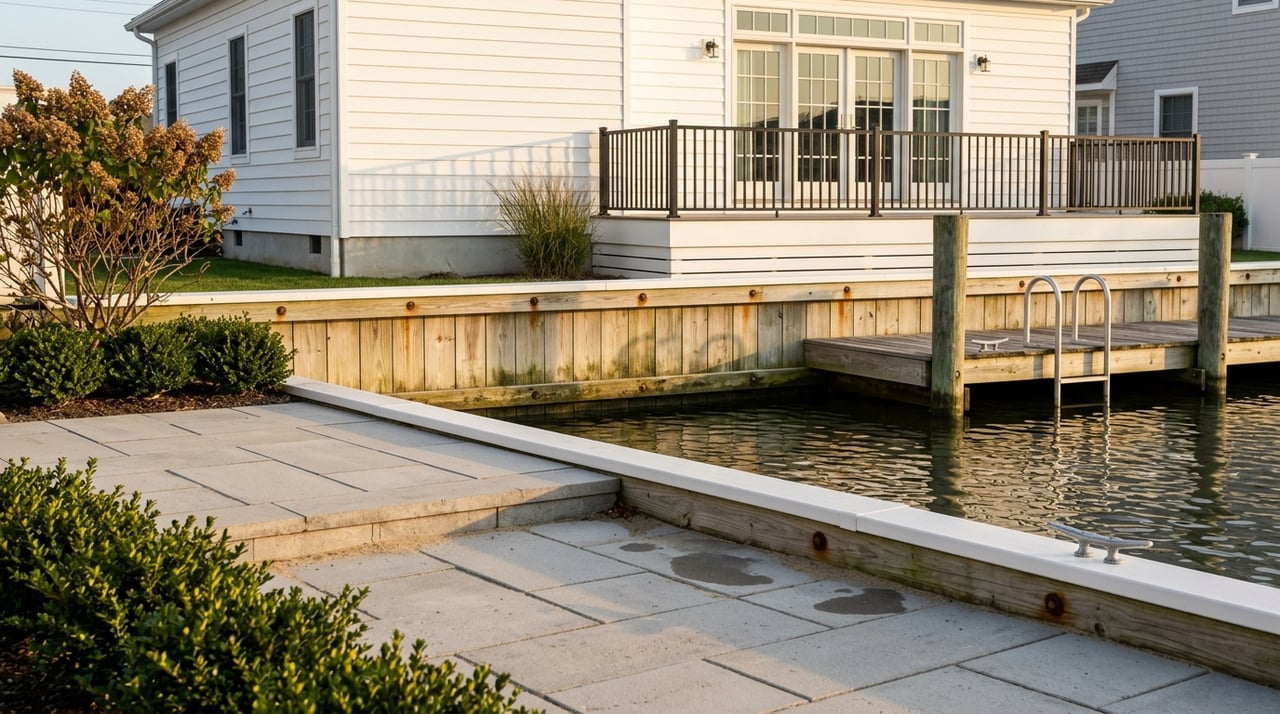
Pricing is not one‑size‑fits‑all in Brick. Waterfront and back‑bay homes, canal properties with docks, and inland neighborhoods perform differently. Ask your agent for a Comparative Market Analysis built from local MLS sales over the last 30 to 90 days, separated by property type. Use that CMA to set a conservative, data‑driven list price that targets strong showing activity in the first 14 days.
If your home has flood‑zone considerations or higher carrying costs, factor those into pricing. Waterfront properties benefit from tailored showing windows and specific marketing assets like aerial photos and floor plans. Your agent should time the listing to maximize weekend traffic and quickly evaluate early feedback.
Complete New Jersey disclosures early
New Jersey now requires sellers to provide the state’s Property Condition Disclosure Statement before a buyer becomes contractually obligated. The state also requires a Flood Risk Addendum that you must complete accurately.
- Use the official Property Condition Disclosure Statement and complete it in full. The requirement is set out in the New Jersey Administrative Code. You can review the rule for clarity in the Division of Consumer Affairs code at the New Jersey Administrative Code section for Property Condition Disclosure.
- Complete the Flood Risk Addendum as required by New Jersey Revised Statutes. This addendum surfaces key flood‑risk information that buyers are entitled to review.
- Run your address through the State’s Flood Risk Notification Tool and save the result for your records and disclosure packet. The tool helps identify FEMA‑designated flood‑hazard areas.
- If your home was built before 1978, federal law requires you to provide the EPA and HUD lead‑based paint pamphlet and disclose known lead hazards. Include the signed lead warning and acknowledgement with your contract.
Helpful resources:
- Read the state’s Property Condition Disclosure rule at the New Jersey Administrative Code site. (Source: regulations.justia.com)
- See New Jersey’s flood disclosure statute at the state code site. (Source: law.justia.com)
- Learn about the Flood Risk Notification Tool and guidance from the NJDEP. (Source: content.govdelivery.com)
- Review federal lead disclosure requirements on the EPA site. (Source: epa.gov)
Check permits and municipal items
Buyers and attorneys often ask about permits and certificates during attorney review. Before you list, gather your permit records and address any open items.
- Confirm whether any work was completed without permits. Consult Brick Township’s land use or permit office and resolve or disclose as needed.
- Collect contractor invoices, permits, approvals, and warranties. These documents help you answer disclosure questions and reassure buyers.
- Ask your agent if any municipal certificates are needed for your situation. Brick’s land‑use and planning documents explain local processes and can help you understand what the township may require.
You can reference Brick Township’s land‑use documentation hosted by the township for background on processes and contacts. (Source: cms3.revize.com)
Fixes and updates buyers value
Start with safety and systems, then move to cosmetic updates with strong resale value.
- High priority items: address leaks, electrical panel issues, HVAC service, water heater function, and smoke or CO detector replacements. These are common deal‑killers during inspections.
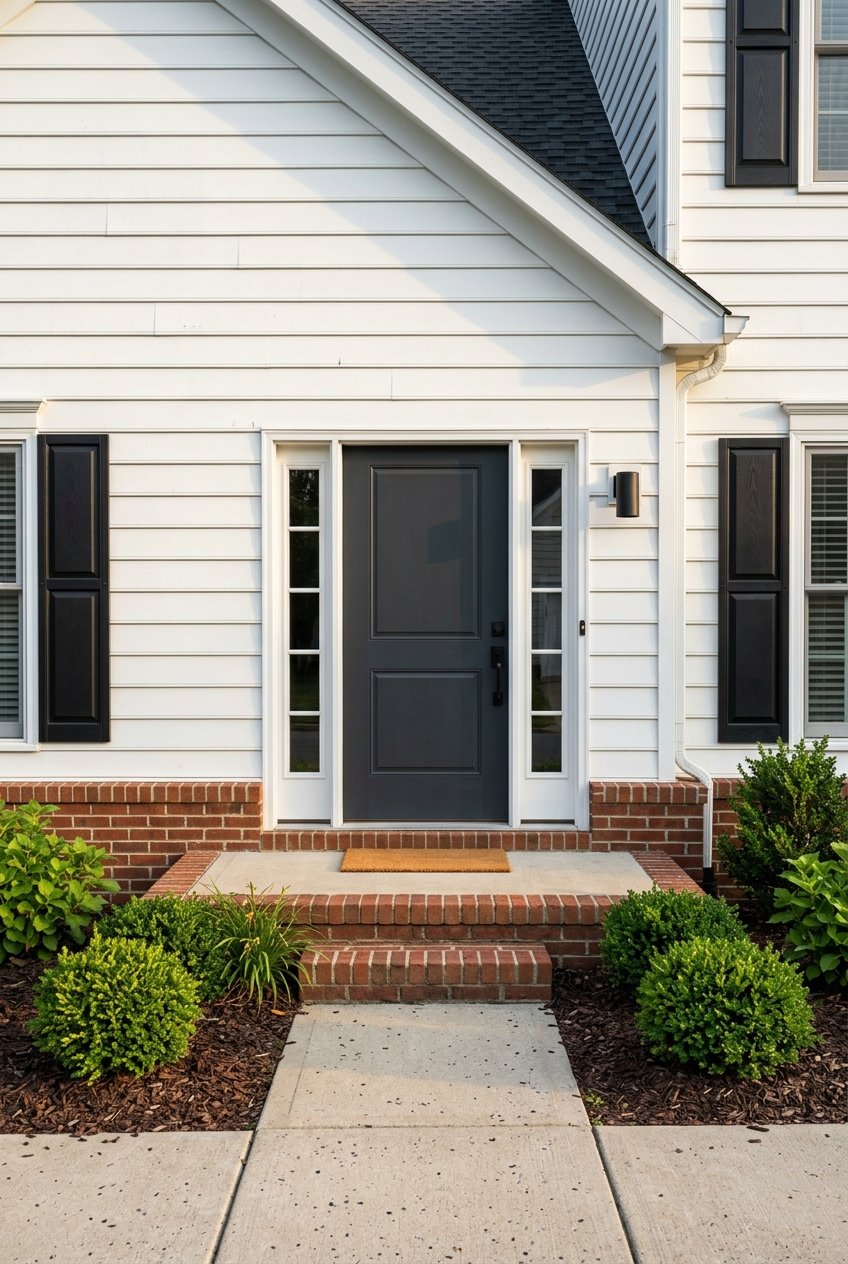
- Curb appeal: fresh mulch, trimmed shrubs, power‑washed siding and walkways, a clean entry, and a new or freshly painted front door make a strong first impression.
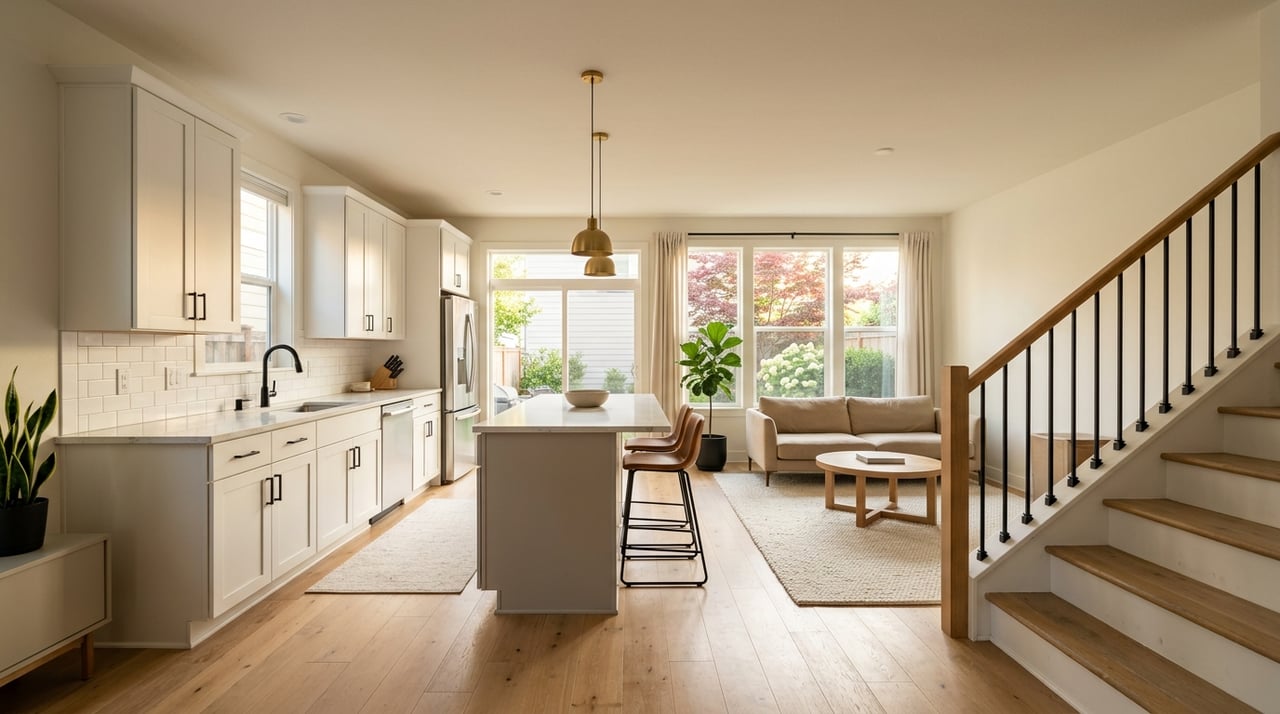
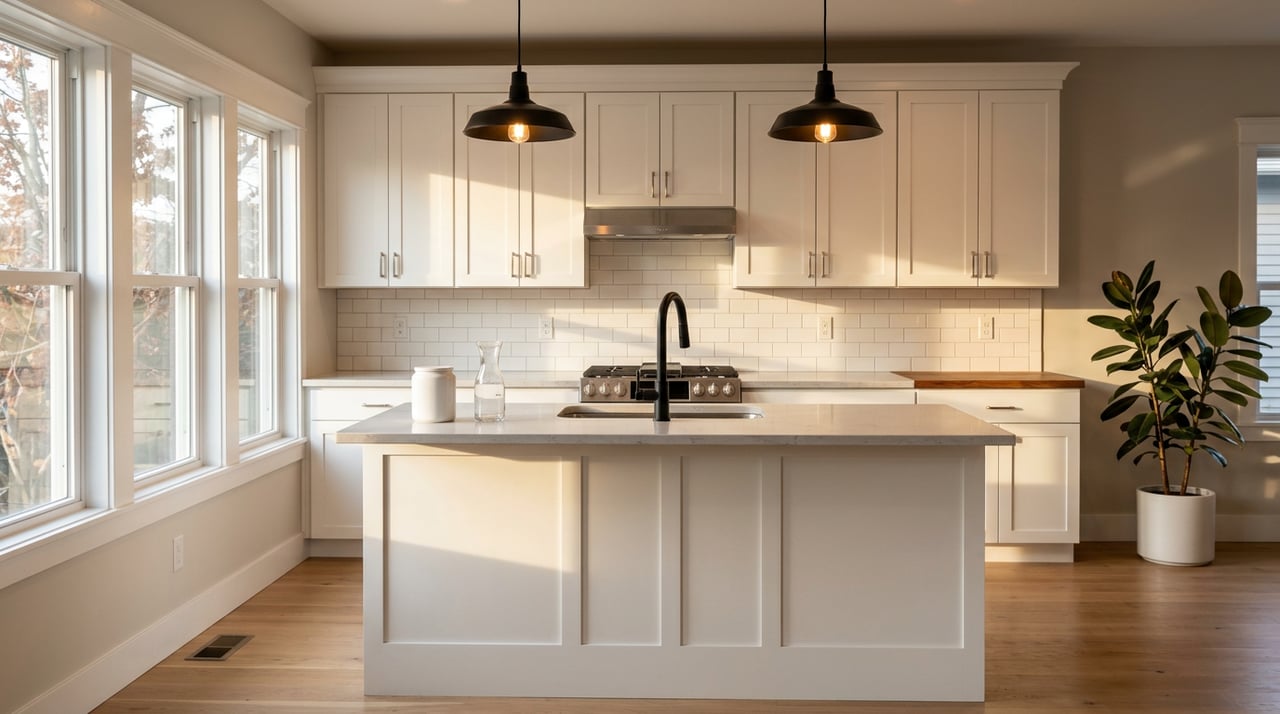
- Kitchen and bath refreshes: painting cabinets, swapping dated hardware, updating lighting, reglazing a tub, or replacing a vanity can deliver an outsized impact without a full remodel. National Cost vs Value data consistently shows healthy resale ROI for minor kitchen projects and midrange bath updates. You can review this year’s ROI findings on the Cost vs Value site. (Source: costvsvalue.com)
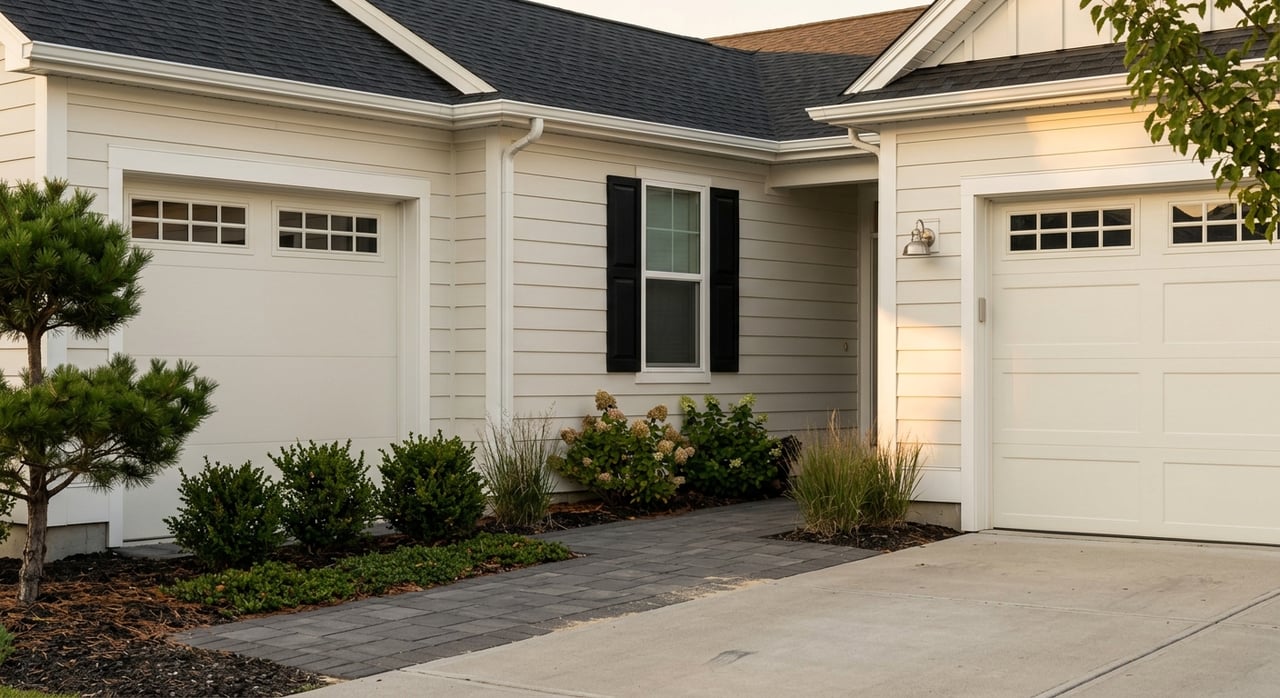
- Other smart projects: garage‑door replacement, exterior touch‑up painting or siding repair, and simple landscaping are routinely among the top recouping items. (Source: costvsvalue.com)
Stage and prep for photos
Staging helps buyers see how rooms can live. The National Association of REALTORS reports that staging helps buyers visualize the property and can reduce time on market. Review NAR’s insights on staging benefits to prioritize your rooms and plan your approach. (Source: nar.realtor)
- Where to focus: entry, living room, kitchen, and primary bedroom are the highest‑impact spaces.
- Photo‑day checklist: declutter, depersonalize, remove excess furniture, clear counters, clean windows, replace bulbs with daylight bulbs, open blinds, hide cords and trash cans, and secure pets off‑site.
- Professional help: a stager for an occupied, mid‑priced home often costs a few thousand dollars. Bankrate offers a helpful overview of typical staging costs and potential payback so you can plan a budget that fits your goals. (Source: bankrate.com)
Photo and marketing that matter
Most buyers start their search online and rely heavily on listing photos and floor plans. Make your digital first impression count.
- Photography: hire a real estate photographer. Ask for a wide‑angle interior set, a hero exterior, and a twilight front shot. For waterfront or back‑bay homes, consider permitted aerials to showcase setting and proximity.
- Tours and floor plans: add a 3D tour or video walkthrough and include a clear floor plan to attract serious, out‑of‑area buyers who shop the Jersey Shore.
- Launch plan: your agent should syndicate to major portals, push targeted social ads, host a broker open, and schedule public open houses early in the listing cycle.
- Compliance: New Jersey recently implemented consumer‑protection updates that affect disclosures and open‑house materials. Review the NJ REALTORS summary of the Real Estate Consumer Protection Enhancement Act and have your agent prepare compliant signage and written disclosures. (Source: njrealtor.com)
Your 6 to 8 week listing plan
Use this straightforward timeline to reduce stress and avoid last‑minute surprises.
Weeks 6 to 8 before listing
- Meet your agent to review the CMA and set your pricing window and target launch week.
- Consider a pre‑listing inspection for older systems so you can fix issues proactively and negotiate from a position of confidence.
- Start decluttering and packing non‑essentials. Arrange short‑term storage if needed.
- Contact Brick Township to request permit records or confirm any open items.
Weeks 4 to 6 before listing
- Complete safety and systems repairs first, then handle key cosmetic updates.
- Paint high‑impact rooms in neutral tones and complete landscaping cleanup.
- Book a professional stager and photographer for about two weeks out.
- Start gathering warranties, manuals, and service receipts for your buyer packet.
Weeks 1 to 2 before listing
- Finish staging and schedule a deep clean.
- Complete your professional photos on a sunny day. Add a twilight exterior if available.
- Build your marketing assets: floor plan, 3D tour, and a short property video.
- Upload your completed New Jersey Property Condition Disclosure and Flood Risk Addendum to the buyer packet.
- Coordinate your go‑live date to capture weekend traffic. Many sellers choose a Thursday launch.
Launch week and first 2 weeks live
- Host a broker open and first public open house.
- Run targeted social ads and agent email blasts.
- Review feedback after every showing and be ready to adjust pricing or messaging if patterns emerge.
Quick pre‑list checklist
Use this list to stay on track and keep your launch smooth.
- Request a CMA tailored to your Brick neighborhood and property type.
- Complete the New Jersey Property Condition Disclosure Statement. (Source: regulations.justia.com)
- Complete the New Jersey Flood Risk Addendum and run your address through the state Flood Risk Notification Tool. Save a copy of the results. (Sources: law.justia.com and content.govdelivery.com)
- Provide the federal lead‑based paint pamphlet and signed acknowledgement if your home was built before 1978. (Source: epa.gov)
- Check for open or unpermitted work and gather all permit records and warranties. (Source: cms3.revize.com)
- Prioritize safety and systems fixes, then curb appeal and minor kitchen or bath refreshes. (Source: costvsvalue.com)
- Plan staging and professional photography. Review NAR’s staging insights and consider a modest staging budget. (Sources: nar.realtor and bankrate.com)
- Align your launch date with your agent’s full marketing plan and open‑house schedule.
Ready to talk timing, pricing, and a bespoke marketing plan for your Brick home? Connect with local shore‑market expertise and a clear, step‑by‑step path from prep to sold. Reach out to Dominick Leone to request your free home valuation and a tailored spring listing plan.
FAQs
What is the best month to sell a home in Brick, NJ?
- Spring typically brings the strongest buyer activity in Brick, and many sellers target late March through May for maximum visibility, while the exact week should be set using a fresh CMA and your agent’s marketing calendar.
What disclosures are required when selling a home in New Jersey?
- You must provide the state’s Property Condition Disclosure Statement and the Flood Risk Addendum before a buyer is contractually obligated, and if the home was built before 1978 you also need to give the EPA lead‑based paint pamphlet and signed acknowledgement.
How do I check if my Brick home is in a flood zone?
- Use the State of New Jersey’s Flood Risk Notification Tool and save the output to include with your Flood Risk Addendum and buyer packet. (Source: content.govdelivery.com)
Should I get a pre‑listing inspection before selling in Brick?
- A pre‑listing inspection can surface repair needs early and help you price, disclose, and negotiate with fewer surprises, which is often worthwhile for older systems or if you have not serviced major components recently.
Which updates usually deliver the best ROI before listing?
- Minor kitchen refreshes, midrange bath updates, curb appeal improvements, garage‑door replacements, and basic exterior touch‑ups frequently rank near the top for cost recouped at resale. (Source: costvsvalue.com)
How long do homes in Brick usually take to sell?
- Many Brick listings go under contract in roughly 4 to 6 weeks in typical conditions, but your timing will depend on micro‑neighborhood comps, condition, and pricing so ask your agent for a current CMA and local days‑on‑market data.