Is Seaside Park calling your name, but you’re torn between a pure getaway and a place that also earns income? You’re not alone. Many Jersey Shore buyers weigh the joy of a second home against the realities of running a rental. In this guide, you’ll learn how Seaside Park’s market, rental rules, flood risk, financing, and taxes shape each path so you can buy with confidence. Let’s dive in.
Seaside Park at a glance
Seaside Park is a barrier‑island borough in Ocean County on the Barnegat Peninsula. It offers ocean and bay access, summer buzz, and a classic Shore vibe. The borough’s website is your source for local services, notices, and planning updates.
Prices here trend higher for the Shore, with single‑family homes often ranging from the mid‑six figures into seven figures depending on location and elevation. Ocean‑block and bayfront properties command premiums, and inventory can be tight.
Demand is seasonal. Summer weeks book quickly, shoulder seasons can be solid on weekends, and winter slows. This rhythm affects both your personal use and any rental strategy.
Second home or rental?
Start by naming your primary goal.
- If you value personal time and flexibility, a second home keeps your calendar wide open and your operations simple.
- If you want income to offset expenses, a rental can work, but it comes with rules, fees, and hands‑on management or a manager.
Many buyers blend both. The right choice depends on your lifestyle, budget, and comfort with compliance and seasonality.
Short‑term rentals: revenue and reality
What the data says
Short‑term rental performance in Seaside Park is measurable. Market analytics show annual occupancy in the low‑to‑mid 50 percent range and an Average Daily Rate commonly several hundred dollars. For example, AirDNA’s Seaside Park overview has reported an ADR around $488 and occupancy near 52 percent, with strong summer months and soft winters. You can explore the latest occupancy and ADR snapshots in the AirDNA Seaside Park overview.
Seasonality is the big lever. Peak demand runs from Memorial Day through Labor Day. Holidays and shoulder weekends help fill gaps, but off‑season months are lean. If you model monthly revenue, use the local monthly seasonality curve rather than a flat average.
Operating costs to budget
Gross bookings are only the start. Budget for these recurring costs to find your true net:
- Property management for STRs. Full‑service fees commonly run about 15 to 35 percent of gross bookings depending on services and market, as summarized in industry guides like Hostaway’s management fee breakdown.
- Turnover expenses per stay. Cleaning and linens vary by size and standards. Some costs can be passed to guests; others are owner paid.
- Platform and processing fees. Plan for marketplace fees and payment processing.
- Lodging taxes. New Jersey applies state‑level taxes to short‑term stays, and marketplaces often collect state‑administered taxes as facilitators. Review the state’s lodging tax framework in Avalara’s New Jersey lodging tax overview and confirm whether any local taxes apply.
- Insurance. Standard homeowners coverage typically needs a short‑term rental endorsement. Flood insurance is a separate policy in coastal zones.
- Utilities, supplies, landscaping, and routine maintenance.
- Vacancy and seasonality. Use the local monthly curve from AirDNA when you set expectations.
A simple starting formula for a monthly estimate is ADR × occupied nights × (1 − management fee − platform fee), then subtract fixed costs like insurance, taxes, utilities, and maintenance.
Compliance and local rules
Seaside Park requires a rental certificate of occupancy and annual inspections for rental properties. The borough has also publicly debated a short‑term rental ordinance with potential minimum‑stay rules and other controls. Stay current by reviewing local meeting coverage such as Shorebeat’s report on Seaside Park’s STR discussions, and verify any enacted ordinance with the borough clerk before you advertise. Fines for rental and mercantile violations have increased in recent municipal updates, so build compliance into your plan.
Long‑term rental: steadier and simpler
Long‑term rentals usually produce lower gross income than STRs but can be simpler to operate. You avoid weekly turnovers, shoulder less regulatory risk, and often pay lower management fees. Traditional long‑term property management commonly runs about 8 to 12 percent.
Vacancy risk shifts from month‑to‑month seasonality to lease‑end exposure. The tradeoff is predictability. Your expense line is more stable, and your time commitment is lighter.
Long‑term rentals can fit investors who prefer steadier cash flow and less operational complexity, or second‑home owners who want a fallback if local STR rules tighten.
Flood risk and insurance: plan before you buy
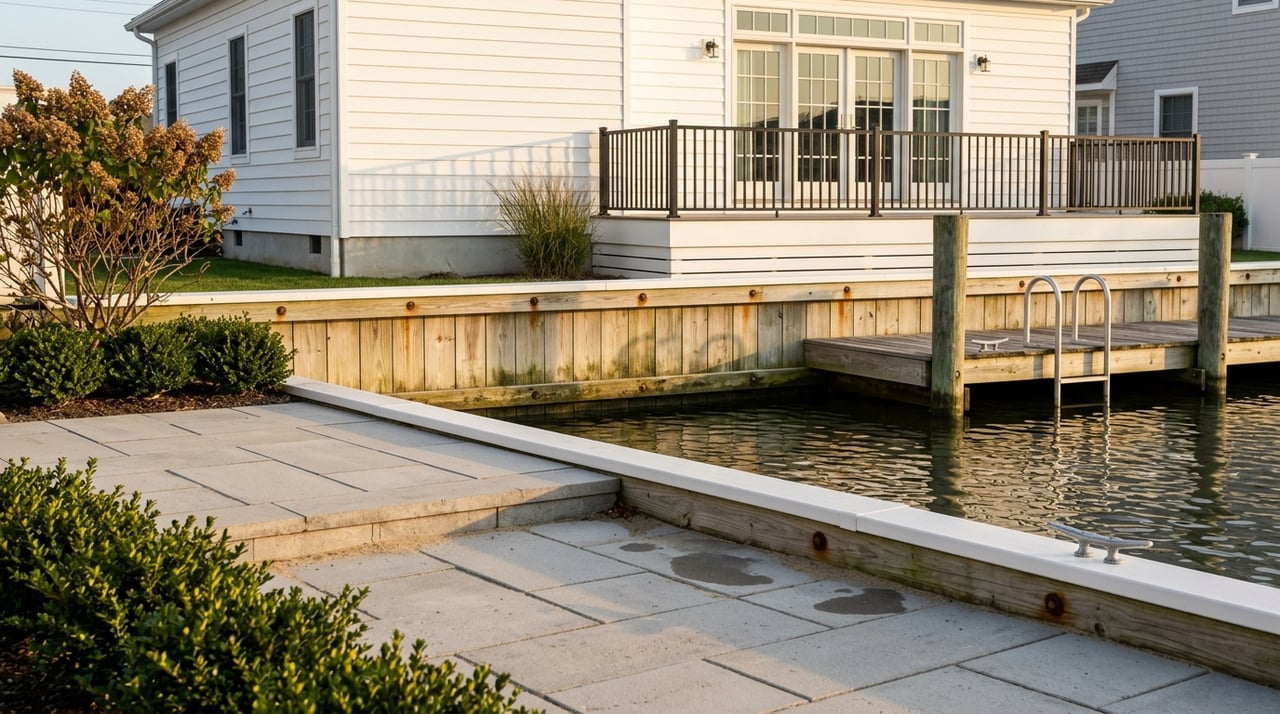
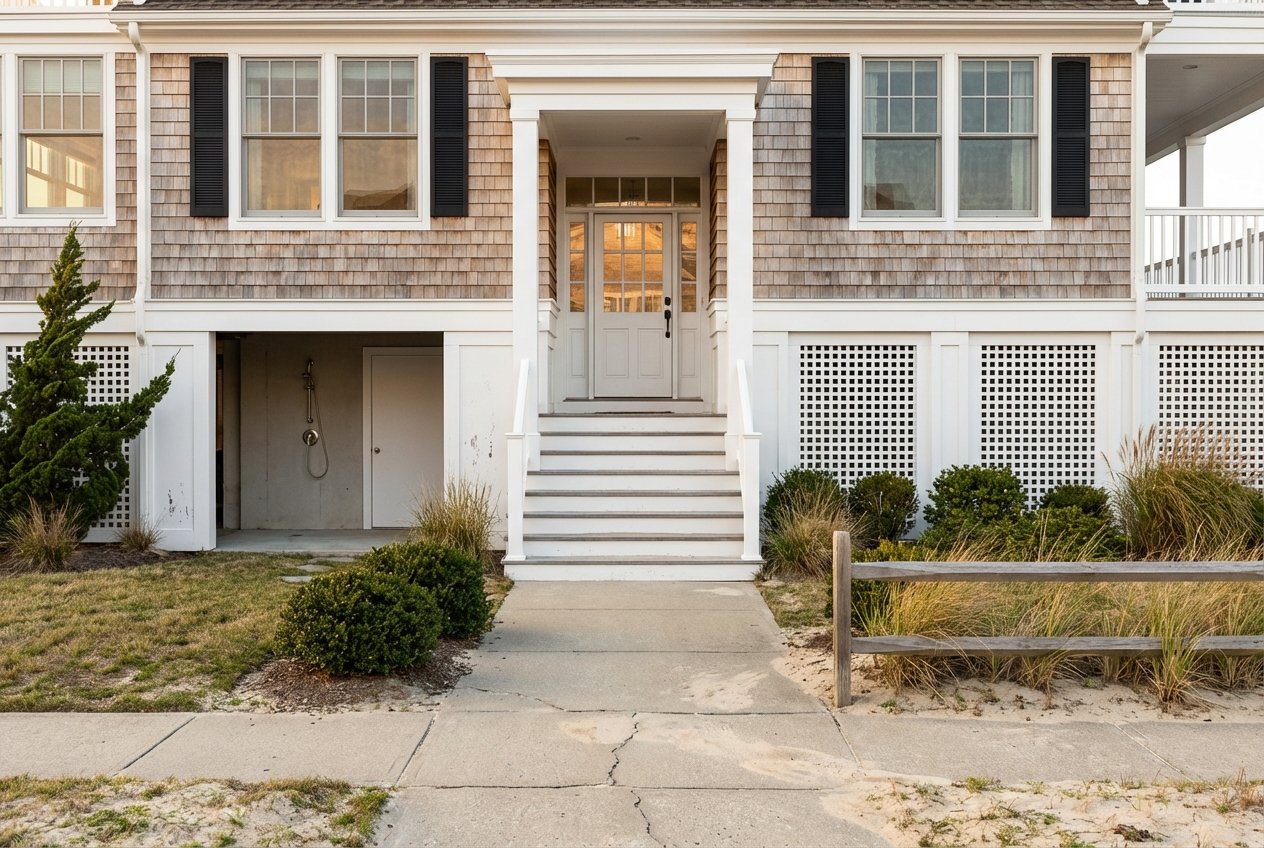
Seaside Park sits on a low‑lying barrier peninsula. Many homes were elevated after Superstorm Sandy, and the borough actively promotes flood‑mitigation and compliance. Review the borough’s current notices and hazard‑mitigation materials, including its bayfront resilience effort, on the Seaside Park hazard mitigation project page.
Before you make an offer, gather flood facts for the specific property and block:
- Elevation certificate and current flood policy with premium.
- FEMA flood zone and panel (AE or VE vs. X) and any local elevation or rebuild requirements.
- History of permits, elevation work, and any open code items.
If a home is substantially or repetitively damaged, the National Flood Insurance Program’s Increased Cost of Compliance benefit can provide up to $30,000 to help bring the structure into compliance through elevation, relocation, demolition, or eligible floodproofing. Learn how ICC works on FEMA’s Increased Cost of Compliance page.
Flood insurance is a core carrying cost at the Shore. Premiums depend on elevation, construction, and zone. Build a conservative estimate into any pro forma and let the elevation certificate guide quotes from NFIP and private carriers.
Financing: second home vs. investment
Lenders price and underwrite based on occupancy type.
- Second home. Conventional guidelines often allow higher loan‑to‑value ratios for eligible second homes than for investments. In standard matrices, LTVs can be more permissive and reserve requirements lighter than for rentals.
- Investment property. Underwriting typically requires a larger down payment, lower maximum LTV, and more reserves. Pricing adds investor loan‑level price adjustments.
Review the occupancy definitions and eligibility rules in the Fannie Mae Selling Guide and confirm current terms with your lender. Structuring your loan correctly can move your budget from “stretch” to “comfortable.”
Taxes: know the vacation‑home rules
Your personal use can change how the IRS treats your property. Under the vacation‑home rules, if you use the home personally for more than the greater of 14 days or 10 percent of the days it is rented at fair rental value, the property is treated as a home for tax purposes. That triggers limits on how you deduct losses and how you allocate expenses between personal and rental use. Review the details in IRS Publication 527 and coordinate with your tax professional before you set your rental calendar.
Costs to model: quick checklist
Use this list to build a realistic monthly and annual budget for either path.
- Mortgage principal and interest, aligned to second‑home or investment pricing.
- Property taxes. New Jersey’s tax burden is higher than the U.S. median; verify the exact bill with Ocean County and the borough.
- Homeowners insurance with coastal wind coverage.
- Flood insurance, guided by the elevation certificate.
- Utilities, internet, landscaping, and routine maintenance.
- Repairs and capital reserves, especially if the home is older or not yet elevated.
- For STRs: management fees, turnover cleanings and linens, platform and processing fees, supplies, and lodging taxes.
- For long‑term rentals: management fee and re‑leasing costs at turnover.
- Vacancy allowance that reflects either STR seasonality or long‑term lease gaps.
Which path fits you?
Use this simple framework to match your goals.
- Choose a second home if you want maximum personal flexibility, low operational complexity, and you value guaranteed time at the Shore over potential income.
- Choose an STR if you seek higher peak‑season revenue, you can commit to compliance and guest service, and you are comfortable with seasonality and higher operating costs.
- Choose a long‑term rental if you prefer steadier cash flow, fewer regulatory touchpoints, lower management fees, and you are willing to accept a lower top‑line number in exchange for simplicity.
Whichever path you choose, the best results come from property selection that fits the plan. Elevation, location on the island, layout, parking, and compliance history all affect owner enjoyment, revenue, and resale value.
How we help
You deserve local guidance that connects the dots between lifestyle, numbers, and compliance. With deep experience across Ocean and Monmouth County shore neighborhoods, we help you compare second‑home and rental scenarios, source the right properties, and navigate inspections, flood considerations, and local permits. When you are ready to explore Seaside Park, reach out to Dominick Leone for a straightforward plan and on‑the‑ground expertise.
FAQs
Are short‑term rentals allowed in Seaside Park?
- The borough requires a rental certificate of occupancy and annual inspections, and it has publicly debated additional short‑term rental rules like minimum stays; review recent coverage such as Shorebeat’s report and confirm current ordinances with the borough clerk before operating.
What occupancy and nightly rates can I expect for STRs in Seaside Park?
- Market analytics show annual occupancy around the low‑to‑mid 50 percent range and ADRs commonly several hundred dollars, with strong summers and weak winters; check the latest figures in the AirDNA Seaside Park overview.
How do flood programs and insurance affect ownership costs?
- Seaside Park homes face coastal flood risk; review property elevation and flood zones, budget for flood insurance, and explore mitigation options, including FEMA’s ICC benefit up to $30,000 and local initiatives on the Seaside Park hazard mitigation page, with ICC details at FEMA’s ICC page.
How are second‑home loans different from investment property loans?
- Conventional guidelines typically allow higher LTVs and lighter reserves for eligible second homes, while investment properties require larger down payments and more reserves; see the Fannie Mae occupancy guidance and confirm with your lender.
How does the IRS treat a vacation home I also rent out?
- If your personal use exceeds the greater of 14 days or 10 percent of the rented days at fair rental value, the IRS treats it as a home for tax purposes, which limits certain deductions; see IRS Publication 527 for the rules.