Thinking about selling your Seaside Park home but unsure what today’s buyers would pay? You are not alone. Shore markets are unique, and price can swing with beach proximity, flood risk, and seasonal demand. In this guide, you will learn what drives value in Seaside Park, how a local CMA is built, what documents to gather, and what to expect for timing, costs, and disclosures. By the end, you will know the exact next steps to get a precise, MLS-based price range for your property. Let’s dive in.
What drives value in Seaside Park
Beach proximity and views
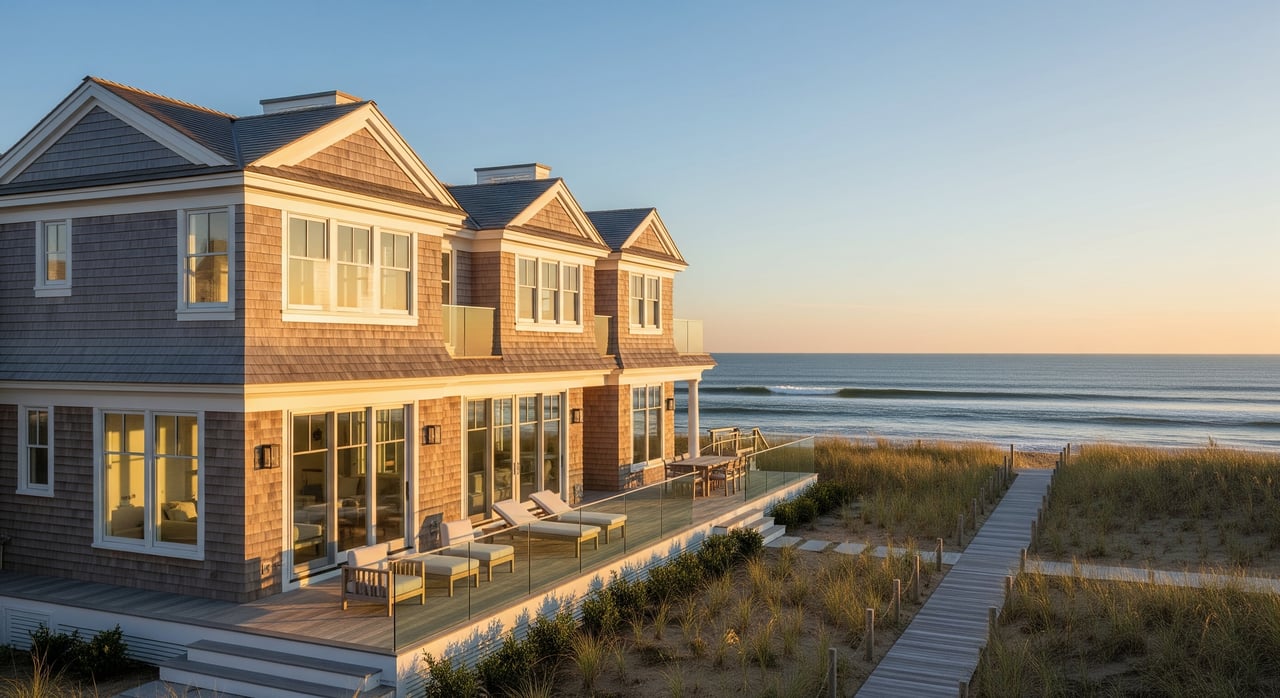
In Seaside Park, distance to the beach and boardwalk is the top value driver. Buyers pay more for waterfront, ocean view, and one to two blocks from the sand. Even small differences in “blocks to beach” can change buyer demand. Clear sight lines, dunes, and access paths also matter.
Elevation and flood mitigation
Elevation affects both price and insurability. Homes elevated above Base Flood Elevation or with documented mitigation, like flood vents and raised systems, often command a premium because flood insurance can be easier and sometimes lower cost. An elevation certificate helps verify this for buyers and lenders.
Condition and permits
Updated kitchens and baths, new systems, and structural and electrical improvements add real value. Work that was properly permitted and closed out gives buyers confidence. Unpermitted or undocumented work can slow a deal or reduce offers.
Size, layout, and outdoor spaces
Square footage, bedroom and bathroom count, and a practical layout matter. In shore towns, decks, porches, and outdoor showers are big wins. Finished bonus areas need to be legal and safe to count toward value.
Parking, storage, and lot potential
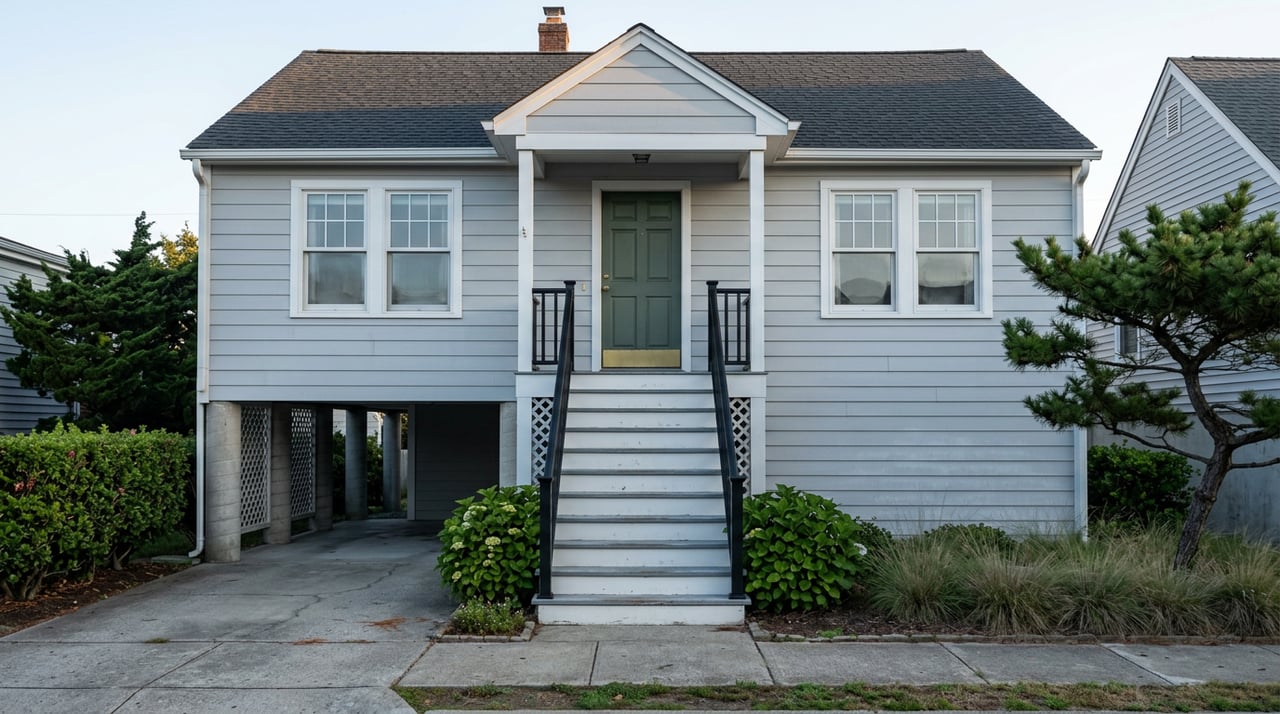
Off-street parking, a garage, and storage for beach gear are important in a compact borough. Lot size and buildability, including ability to elevate or expand within setbacks and floodplain rules, can attract both end users and investors.
Rental income and local rules
Consistent seasonal rental history can increase appeal for investors. If your home has a documented rental income record, include it when you list. Be prepared to share any municipal registrations or permits that apply to short-term rentals so buyers can verify what is allowed.
How a local CMA is built
Selecting true comparables
A strong CMA starts with recent closed sales pulled from the local MLS. The most reliable comps match your property type, size within about 15 to 20 percent, similar beds and baths, and a comparable distance to the beach. When the market is moving quickly, comps from the past 3 to 6 months matter most. Pending and active listings help set today’s price expectations.
Key coastal adjustments
Your CMA should adjust for:
- Proximity bands to the beach and views
- Elevation and flood zone status
- Condition and permitted upgrades
- Parking, storage, lot size, and expansion potential
- Outdoor living spaces and orientation
The most similar and most recent comps carry the most weight.
Income and investor lens
If your property has real rental performance, a CMA can also apply an income approach as a tie-breaker. This method looks at documented gross and net income from similar rentals and uses a market cap rate to help support value.
What you receive in a CMA
A professional CMA for Seaside Park should include:
- A suggested list price range and a recommended list price with rationale
- At least three closed sales plus two to three active or pending listings, with adjustments explained
- An estimated seller net proceeds range with assumptions for typical fees and costs
- Notes on material value impacts like flood zone, elevation, and rental history
- A targeted marketing plan and recommended timing for your goals
Documents to prepare for accuracy
The more complete your info, the tighter your price range. Gather:
- Latest mortgage statement and most recent property tax bill
- Deed, survey or floor plan, and any HOA or condo documents
- Elevation certificate or flood documentation, if available
- Permit history and certificates of occupancy for recent work
- Insurance premium and claims history
- Utility averages for the past 12 months
- Rental income statements, leases, and booking calendars if applicable
- A short list of upgrades with dates and contractor info
- Clear interior and exterior photos, plus your ideal listing timeline
Timing, marketing window, and strategy
Spring and early summer typically bring the most buyer activity at the shore. A well-priced Seaside Park home can go to contract in about 2 to 8 weeks in active seasons, with an overall 6 to 12 weeks from listing to closing in ordinary conditions. If you want to catch vacation buyers or close before peak summer, plan your list date early.
If the home is a seasonal rental, coordinate showings around guest stays and publish clear availability in advance. Professional photos and video are important for exposure. Your pricing strategy should reflect current MLS closings and active competition.
Disclosures, inspections, and costs
Required disclosures in New Jersey
Sellers typically provide a residential property disclosure statement that covers known material defects. Federal lead-based paint disclosures apply to homes built before 1978. Be transparent about any past flood or insurance claims and open permits.
Inspections and pre-list decisions
A pre-listing inspection is optional but can help you spot issues early, reduce surprises, and keep negotiations on track. Fixing small safety or systems items before showings can help your home present well.
Typical seller costs
Expect to see line items for real estate commission, New Jersey realty transfer fee, and standard title and attorney fees. You will also settle prorated taxes, any HOA or condo dues, municipal assessments if applicable, and your mortgage payoff. For exact figures, consult your title company and tax advisor.
Flood insurance and financing
If your property sits in a Special Flood Hazard Area, most buyers who finance will need flood insurance. Premiums vary by elevation, mitigation features, and carrier. Homes elevated above BFE or documented with flood vents can be more attractive to both buyers and lenders. Share any elevation certificates and premium history so your CMA can reflect the real impact on value and buyer demand.
Pricing smart without public averages
You might see public estimates online, but shore markets change fast and every block can be different. A reliable value requires recent MLS sales and county records plus a coastal-specific adjustment process. The right CMA translates those facts into a list price strategy and a clear view of your likely net.
Ready for your price range?
If you are considering selling in the next 3 to 6 months, request a personalized, MLS-based valuation and a quick 20 to 30 minute strategy call. You will get a pricing range, net proceeds estimate, and timing plan tailored to your goals. Reach out to Dominick Leone to get started.
FAQs
How accurate are online estimates for Seaside Park home values?
- They can miss key coastal factors like blocks to beach, elevation, and rental income, so a local MLS-based CMA is usually more accurate.
When is the best time of year to list in Seaside Park?
- Spring and early summer often bring the most buyer activity, though you can sell year-round with the right price and marketing.
How does my flood zone affect what buyers will pay?
- Elevation and flood zone influence insurance requirements and costs, which can expand or limit the buyer pool and impact offers.
What if my home has rentals booked this summer?
- You can still list and sell; disclose the schedule, set showing windows, and decide if bookings transfer or are canceled by agreement.
Which upgrades usually pay off before listing?
- Permitted system updates and clean, functional kitchens and baths help; quick wins include paint, lighting, minor repairs, and curb appeal.
How long does it take to sell a Seaside Park home?
- In active seasons, many well-priced homes reach contract in about 2 to 8 weeks, with 6 to 12 weeks typical from listing to closing.