Thinking about buying on the water in Brick? It is easy to fall for the view first, but Brick’s waterfront market works best when you understand how each lagoon and shoreline area lives, what boating access really means, and what extra due diligence comes with a waterfront address. This guide will help you compare Brick’s main waterfront communities, understand pricing and home styles, and ask smarter questions before you buy or sell. Let’s dive in.
Brick’s waterfront market at a glance
Brick has one of the biggest private waterfront footprints in New Jersey. Township planning documents describe about 53.2 miles of waterfront, including oceanfront, riverfront, and bayfront edges.
That scale is a big reason Brick attracts so much interest from buyers looking for lagoon homes, river access, or a classic Jersey Shore waterfront lifestyle. It also means the market is not one single waterfront experience. Instead, you are looking at several distinct submarkets with different settings, housing stock, and boating patterns.
How Brick’s lagoon communities were built
A lot of Brick’s lagoon housing came from dredging former marsh and wetland areas to create man-made lagoons. These lagoons were designed for private boat traffic and mooring, which is why they remain such a defining feature of many neighborhoods.
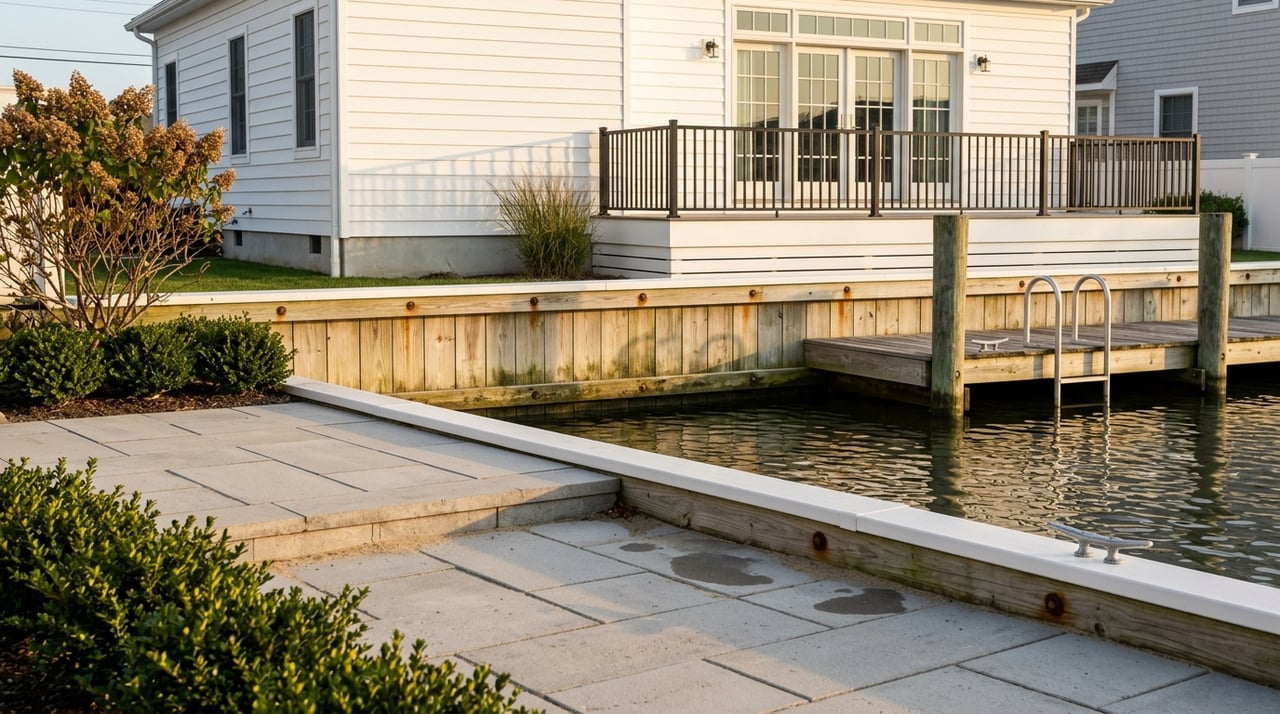
Brick’s subdivision rules still reflect that engineered waterfront design. Township standards require lagoons to be at least 100 feet wide, require lagoon-front bulkheads, and require lagoon land to sit at least six feet above local mean high water.
For you as a buyer, that matters because a lagoon-front property is not just about the house. It is also about the condition, design, and upkeep of the waterfront infrastructure tied to the lot.
Main Brick waterfront communities
Shore Acres and its sub-areas
Shore Acres is one of Brick’s best-known mainland waterfront areas. The township breaks it into five sub-areas: Shore Acres, Waterside Gardens, Baywood, Mandalay Park, and Seawood Harbor.
Each part feels a little different in layout and housing mix. That is important because two homes with a Brick waterfront address can offer very different access, lot depth, and neighborhood setting depending on which section you are in.
Shore Acres proper
Shore Acres itself is organized as a private neighborhood association. Township documents note amenities that include a marina, a private yacht club, a beach, and a clubhouse.
For buyers, this can appeal if you want a more established waterfront setting with neighborhood-based amenities. If you are considering a home here, it is wise to ask how association structure, access, and any fees may affect your plans.
Baywood
Baywood contains the largest lagoon network within Shore Acres. That makes it one of the key areas buyers watch when they want a classic lagoon-front home with direct boating appeal.
Because lagoon layout and lot orientation can vary, buyers often compare Baywood homes based on turning radius, dock setup, bulkhead condition, and how quickly they can reach open water. Those details can matter as much as square footage.
Seawood Harbor and Mandalay Park
Seawood Harbor is a denser waterfront section reached through Mandalay Road, and it includes two man-made lagoons. If you are looking in this area, you may notice a tighter development pattern than in some other waterfront pockets.
Mandalay Park often comes up in those same conversations because it connects into the broader Shore Acres area. A close look at traffic flow, lot shape, and water access can help you understand how one home compares with another nearby.
Waterside Gardens
Waterside Gardens stands apart because the township identifies it as the only large-scale multi-family complex east of Brick Boulevard. That makes it a different option from the detached lagoon homes many buyers picture when they think of Brick waterfront living.
If you want waterfront proximity with a different ownership style, this area may be worth comparing. It can be a useful reminder that Brick offers more than one path into a waterfront-oriented lifestyle.
Cherry Quay-Bar Harbor
Cherry Quay-Bar Harbor has a different feel from Shore Acres. According to Brick’s flood-planning documents, the Cherry Quay plan area is made up of four peninsulas within Kettle Creek tributaries.
In practical terms, buyers often experience this area more as a sheltered lagoon-and-peninsula market than a wide-open bayfront strip. If you like the idea of a tucked-in waterfront setting, Cherry Quay-Bar Harbor may be one of the first places you compare.
The township also notes that repetitive-loss patterns here are tied to back-bay, tidal, and storm-surge flooding. That does not mean every property is the same, but it does mean flood-zone review and insurance questions should be front and center during your search.
Princeton-Midstreams
Princeton-Midstreams sits along the Metedeconk River and Beaver Dam Creek. Township planning materials describe some man-made lagoons here and note that the south branch of Beaver Dam Creek is open and navigable for boat access to most waterfront properties.
Midstreams, in particular, is described as mostly year-round residential with relatively newer construction than some of Brick’s older waterfront pockets. If you want a waterfront home that feels less seasonal and more rooted in everyday living, this area may stand out.
For many buyers, Princeton-Midstreams hits a middle ground. You can get boating access and a waterfront setting while still focusing on year-round function, newer updates, and neighborhood practicality.
Public waterfront access in Brick
Not every buyer wants to own a dock or slip. Brick also offers public waterfront amenities that can matter if you want water access without taking on full waterfront property maintenance.
Township documents describe Windward Beach Park on the Metedeconk River as having fishing access and a large fishing dock. A township environmental assessment also notes a public boat ramp for small-boat launching, and public access planning inventories marinas, boat ramps, and shoreline access points across Brick.
That can be useful if you are deciding between a waterfront home and an inland home near public access. For some buyers, keeping boating flexible while avoiding waterfront upkeep is the better fit.
What homes look like in Brick waterfront areas
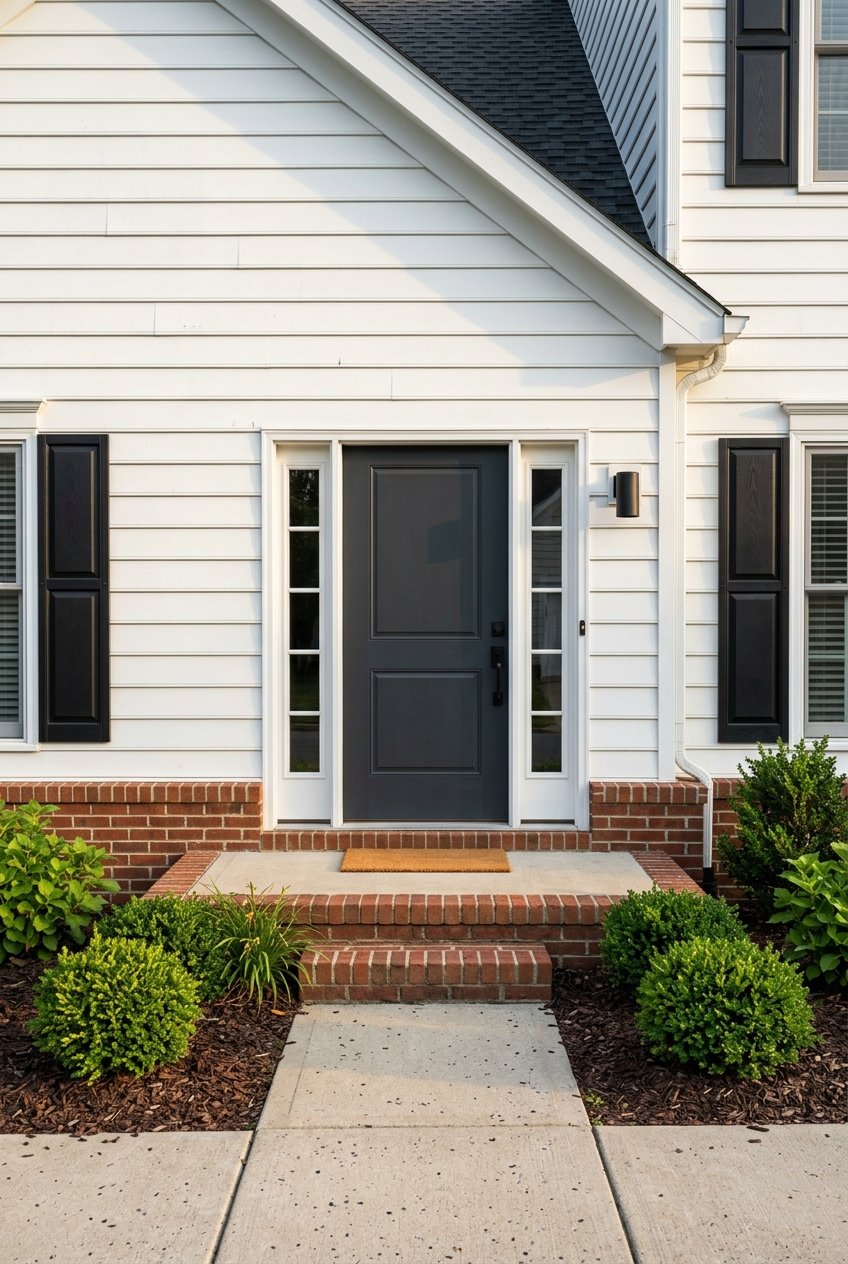
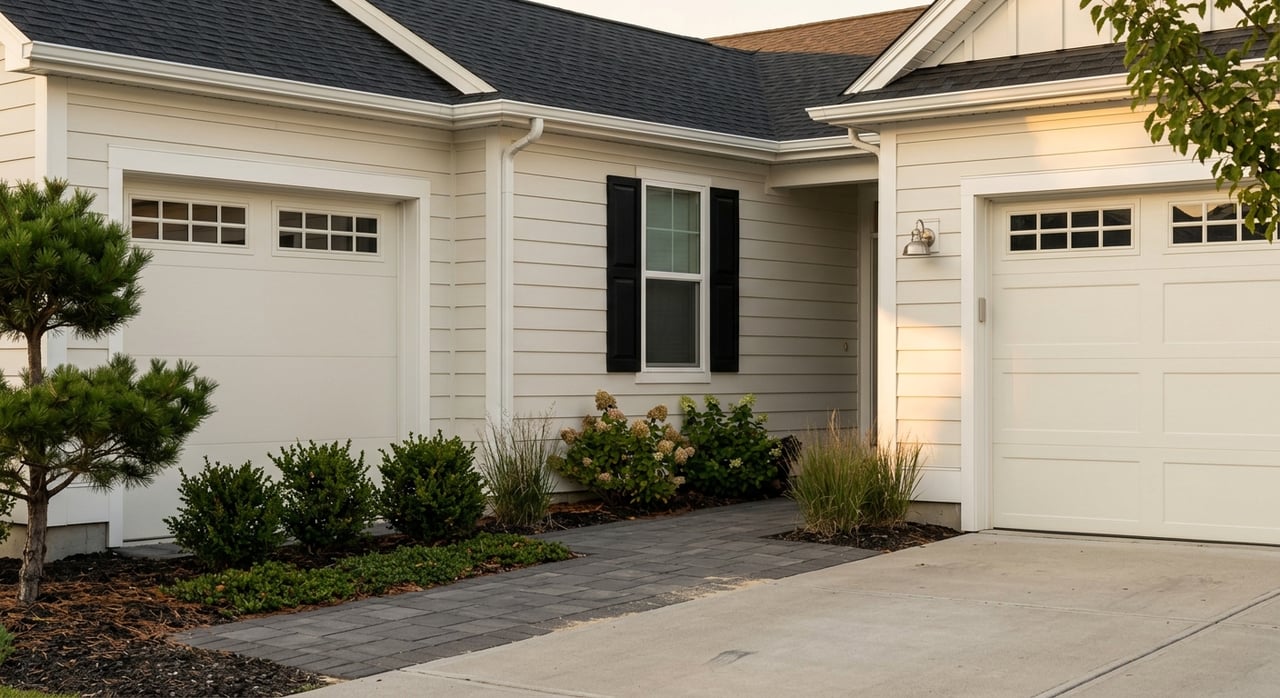
Brick’s current waterfront inventory shows a mix of colonials, shore colonials, ranches, and elevated or rebuilt homes. You may also see older shore houses next to newer construction in the same search.
That variety is part of the appeal, but it also means you should compare homes carefully. Two listings at a similar price may differ a lot in elevation, age, renovation quality, and dock or bulkhead condition.
Some active listings are described as raised above required elevation, while others reflect older housing stock or brand-new construction. In short, Brick’s waterfront inventory is a side-by-side mix of legacy homes, flood-aware rebuilds, and newer homes designed for today’s standards.
What Brick waterfront homes cost
Brick’s overall housing market is broader than its waterfront niche. As of June 30, 2026, Zillow reports an average home value of $526,031 and a median sale price of $495,833 for the township overall.
Waterfront prices, though, are typically higher. Mid-July 2026 active listing snapshots show visible waterfront asking prices running from about $480,000 for a waterfront lot in Shore Acres to roughly $625,000 for smaller waterfront homes, around $775,000 to $1.225 million for many renovated lagoon or bay-adjacent homes, and roughly $1.8 million to $3.599 million for larger, newer, or premium waterfront properties.
These are current snapshots, not fixed price brackets. Still, they show a key point: Brick waterfront is really several submarkets, not one.
Neighborhood pricing snapshots
Current visible listing ranges reinforce that spread across neighborhoods:
- Shore Acres waterfront: about $625,000 to $1.899 million
- Baywood waterfront: about $775,000 to $1.225 million
- Cherry Quay waterfront: about $625,000 to $1.2 million
When you compare homes, price often reflects more than location alone. Lot width, lagoon depth, home elevation, level of renovation, and overall water access can all influence value.
Key due diligence for waterfront buyers
A waterfront showing should always lead to a deeper review period. The house matters, but so do the structures and approvals tied to the water.
Here are some of the most important items to review:
- Bulkhead age and visible condition
- Dock and lift condition, if present
- Dredging history
- Whether marina or association fees apply
- Whether private ramp or shared access is included
- Elevation and flood-risk details
- Permit status for existing waterfront structures
- Tidelands status on older waterfront parcels
A smart buyer usually treats these items as part of the property itself, not as side issues. On the waterfront, they can affect use, cost, and resale appeal.
Permits and waterfront structures
Brick requires a municipal engineering permit before building or installing a boat basin, boat dock, bulkhead, pier, boat lift, or similar water-use structure. That local requirement is an important checkpoint if you are buying a property with plans to upgrade the shoreline.
NJDEP also states that most coastal-zone construction needs a state permit. The agency has specific permit paths for lagoon and bulkhead work, including a coastal general permit for bulkhead construction on a man-made lagoon and a permit-by-certification path for reconstructing a legally existing functioning bulkhead.
If you are buying a home with older waterfront improvements, confirming what is legal, existing, and permitted can save you from expensive surprises later.
Flood and insurance questions to ask early
Flood review is essential in Brick waterfront communities. Brick’s own flood analysis identifies tidal flooding, storm surge, back-bay flooding from Barnegat Bay and the Metedeconk River, and urban or stormwater flooding as major risks.
The township also identifies repetitive-loss concentrations in Shore Acres, Cherry Quay-Bar Harbor, Princeton-Midstreams, and the Barrier Island. That makes location-specific review especially important when you narrow your search.
FEMA says most homeowners policies do not cover flood damage. If a home is in a Special Flood Hazard Area and the mortgage is government-backed, flood insurance is required.
Federal rules also allow lenders to accept qualifying private flood insurance, so it is worth asking both your lender and insurance broker what type of coverage will satisfy the loan. Getting those answers early can help you compare true monthly costs, not just sale prices.
Why sellers need the same local detail
If you are selling a Brick waterfront or lagoon home, buyers will look closely at water access, elevation, updates, and shoreline infrastructure. The more clearly those details are documented and presented, the easier it is for buyers to understand your property’s value.
That is especially true in a market with older homes, raised homes, and newer construction all competing for attention. A well-positioned listing can help buyers see where your home fits within Brick’s different waterfront submarkets.
The bottom line on Brick waterfront living
Brick offers a wide range of waterfront options, from established lagoon neighborhoods in Shore Acres and Baywood to the sheltered peninsulas of Cherry Quay-Bar Harbor and the year-round river-oriented setting of Princeton-Midstreams. The right fit depends on how you want to use the property, what type of boating access you need, and how comfortable you are with maintenance and flood-related planning.
When you look beyond the view and compare the details, you can make a much better decision. If you want help sorting through Brick’s waterfront neighborhoods, pricing, and property-level questions, reach out to Dominick Leone for local guidance tailored to your goals.
FAQs
What makes Brick waterfront homes different from other Brick properties?
- Brick waterfront homes often include added considerations like bulkheads, docks, lagoon access, flood risk, elevation, and possible permit or tidelands questions that usually do not come up with inland homes.
What are the main waterfront communities in Brick, New Jersey?
- The main waterfront areas buyers often compare in Brick are Shore Acres, Cherry Quay-Bar Harbor, Princeton-Midstreams, and the Barrier Island, with Shore Acres also including Baywood, Mandalay Park, Seawood Harbor, and Waterside Gardens.
What price range should you expect for Brick waterfront homes?
- Current mid-2026 visible listings show a broad range, from about $480,000 for a waterfront lot to more than $3.5 million for larger or premium waterfront homes, with many lagoon and bay-adjacent homes falling between roughly $775,000 and $1.225 million.
What should you check before buying a lagoon home in Brick?
- You should review bulkhead age, dock condition, dredging history, elevation, flood insurance needs, possible association fees, permit history for waterfront structures, and whether the parcel may be affected by tidelands issues.
Does Brick have boating access if you do not own waterfront property?
- Yes. Township documents identify public waterfront amenities such as Windward Beach Park, fishing access, a large fishing dock, a public small-boat ramp, and other shoreline access points, marinas, and boat ramps throughout Brick.
Do Brick waterfront properties need flood insurance?
- It depends on the property and the loan, but FEMA states that most homeowners policies do not cover flood damage, and flood insurance is required for homes in a Special Flood Hazard Area when the mortgage is government-backed.