Wondering if a waterfront home in Point Pleasant is worth the premium or if an inland address fits better? You are not alone. Buying by the water is a lifestyle choice with real cost and upkeep implications. In this guide, you will see how prices, lots, rules, insurance, and maintenance differ so you can choose with confidence. Let’s dive in.
What you pay in Point Pleasant
Waterfront properties command a clear premium in this market. The Zillow Home Value Index for Point Pleasant sits around $706,492 as of January 31, 2026, which blends inland and water‑adjacent homes. Point Pleasant Beach, where oceanfront and boardwalk proximity drive pricing, shows higher medians in recent snapshots, including a June 2025 median sold price near $964,000 and a December 2025 median listing price around $1.375 million. Different datasets and time frames will vary, but the pattern is consistent.
For practical ranges, inland single-family homes commonly trade in the mid $600s to $900s. Canal and bayfront homes often start in the high six figures and extend well into seven figures, with many canal and bayfront options from roughly $850,000 to $2 million or more depending on frontage, dockage, elevation, and condition. Premium oceanfront properties can reach multi‑million dollar territory.
Seasonal dynamics matter. Inventory typically tightens in the spring and summer along the Shore, and oceanfront or block‑to‑the‑beach listings often see stronger demand leading into peak season. If you are shopping waterfront, compare 12 months of comps to smooth out seasonal swings.
Lifestyle tradeoffs to weigh
Waterfront living delivers the shore lifestyle at your doorstep. You get direct or near-direct access to boating, wide views, and a short hop to the beach or bay. Inland homes can offer quieter streets, simpler maintenance, and lower ongoing costs.
Consider these common tradeoffs:
Waterfront or canal-front
- Pros: Private dock or boat lift potential, sweeping views, high resale interest in strong markets.
- Watchouts: Flood rules, insurance costs, bulkhead and dock upkeep, coastal wear and tear.
Near-water or one block back
- Pros: Many of the views or easy access without the highest premiums or dock maintenance.
- Watchouts: Fewer private water rights; elevation and flood zone still matter.
Inland
- Pros: Lower purchase price and simpler insurance profile; more traditional lots and maintenance.
- Watchouts: No direct dock access or bay/ocean views.
Lots and building differences
Waterfront in Point Pleasant covers several settings: direct oceanfront in Point Pleasant Beach, open-bay and canal-front along Barnegat Bay and the Manasquan River and lagoons, and near‑water locations one or two streets back. Each comes with different lot geometry and building standards.
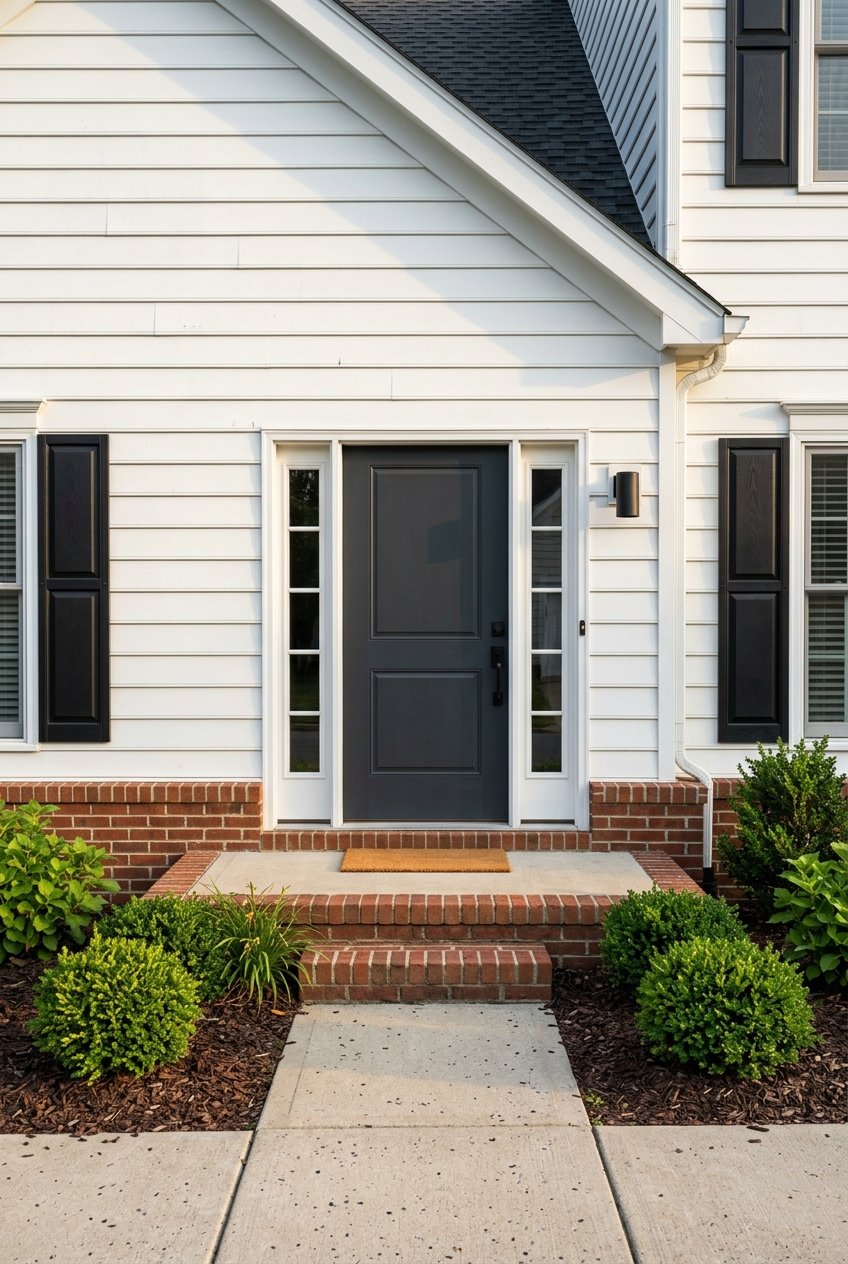
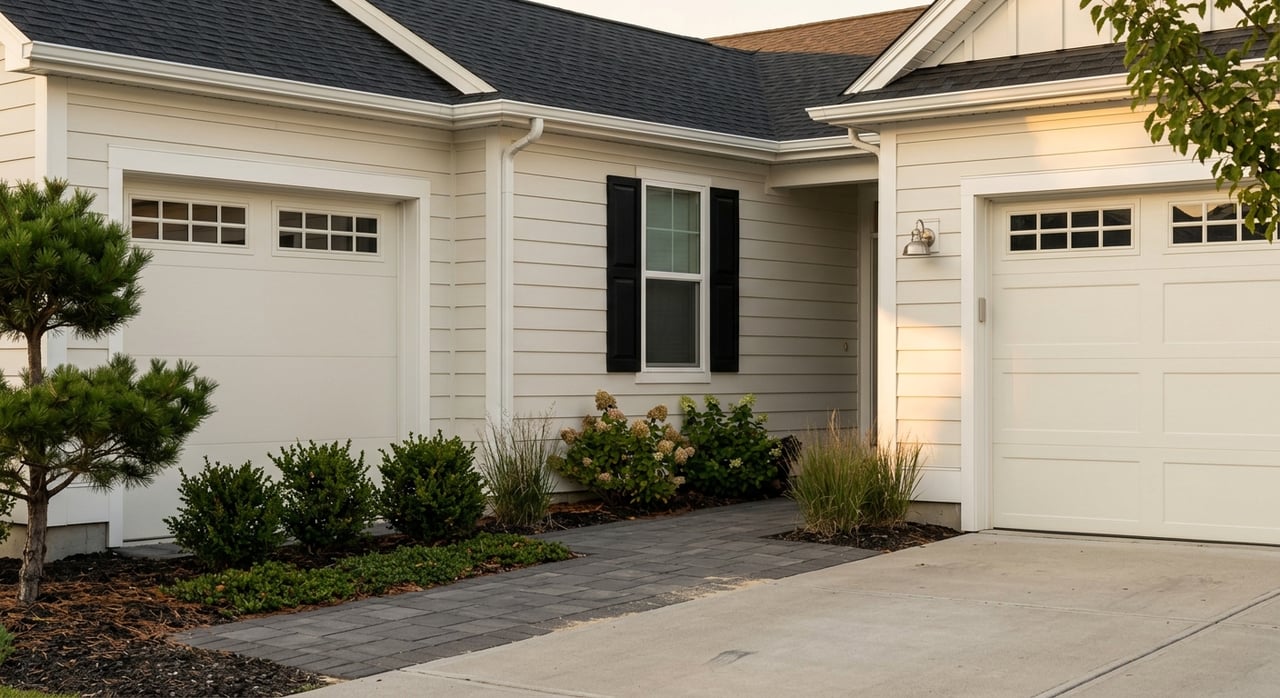
- Typical inland lots: Many established blocks feature lots around 50 by 100 feet, creating compact yards with room for a small garage or patio. You will find classic Shore colonials and capes on these footprints.
- Larger oceanfront or select bayfront parcels: Ocean-facing and some bayfront lots can be substantially deeper or wider, enabling bigger footprints, pools, and enhanced outdoor living.
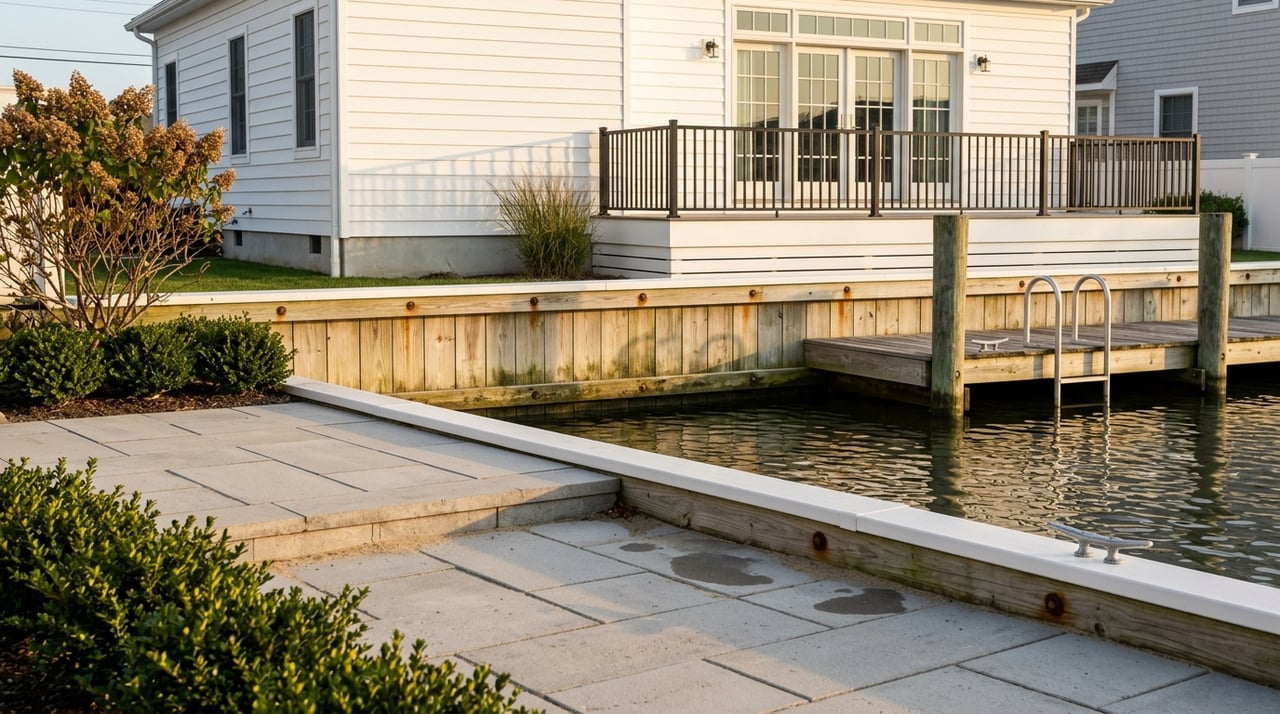
- Waterfront geometry: A 50-foot bulkhead with deep-water access can be extremely valuable to boat owners. Frontage, depth, and navigable water influence price and use.
Coastal construction standards also differ. In V and Coastal A flood zones, homes are often elevated with pilings, breakaway walls, and flood vents. Both Point Pleasant Borough and Point Pleasant Beach have adopted coastal standards that reference NFIP and New Jersey flood hazard rules and may include higher freeboard requirements than federal minimums. You can review borough code references for details in the Point Pleasant Borough regulations and the Point Pleasant Beach regulations. These local rules can affect renovation scope, design, and cost.
- Point Pleasant Borough floodplain and coastal references: ecode360.com/34515466
- Point Pleasant Beach flood hazard and coastal standards: ecode360.com/38381013
Flood zones and insurance
Flood risk is the single biggest ongoing cost and process friction for waterfront and some near‑water buyers. Start early by confirming the FEMA flood zone and asking for the property’s Elevation Certificate.
- Use the FEMA Flood Map Service Center to look up the specific panel and zone and to understand Special Flood Hazard Area implications. If the property is in an SFHA and you have a federally backed mortgage, flood insurance will be required. Check your risk profile here: FEMA Flood Maps and Know Your Flood Risk.
- Expect premiums to vary widely by elevation, construction type, and mitigation features. Some elevated homes rate favorably, while low-elevation waterfront can see higher costs. Get quotes early and compare NFIP and private-market options.
- Local freeboard rules in Point Pleasant Borough and Point Pleasant Beach can increase elevation requirements for major projects. That can be a smart investment in resilience but also raises construction budgets. Confirm requirements with municipal officials and your contractor. Borough code resources are linked above.
Maintenance and long-term costs
Buying on the water means planning for higher routine maintenance and potential capital projects.
- Bulkhead, seawall, and dock work: Replacement or major repair is episodic but meaningful. Industry ranges often run roughly $500 to $1,500 or more per linear foot depending on materials, access, and permitting, with docks and boat lifts adding to the total. Always budget for inspections and a contingency reserve.
- Coastal wear: Salt air and humidity accelerate corrosion on fasteners and railings, shorten paint cycles, and are hard on HVAC coils and exterior finishes. Plan for more frequent exterior washing, repainting, and mechanical servicing compared with inland homes.
- Environmental context: Barnegat Bay is an ecologically monitored estuary, and shoreline projects evolve with sea-level and storm trends. Explore living shorelines and resilience efforts through local groups like the American Littoral Society and regional research on lagoon and canal systems in Frontiers in Marine Science. These resources can help you think long term about site selection and stewardship.
Permitting for waterfront work can involve municipal approvals and state-level review depending on scope. Expect to coordinate with local officials on items tied to NFIP compliance, elevation certificates, and potential tidelands considerations. Borough code links above are a good starting point for understanding the process.
Buyer checklist for Point Pleasant
Use this quick list during your due diligence:
- Flood zone and elevation
- Confirm the FEMA zone and obtain the Elevation Certificate. Start here: FEMA Flood Maps.
- Bulkhead, dock, and permits
- Ask for inspection reports, last replacement dates, and copies of municipal or state permits for any waterfront structures.
- Insurance quotes
- Price flood insurance early and ask how premiums change with elevation or mitigation features. See Know Your Flood Risk.
- Property taxes and assessments
- Verify the current assessed value, tax rate, and any special assessments for beach, boardwalk, or shoreline work with local records.
- Rights and associations
- Clarify any deeded access, beach badges, docking rules, or HOA covenants. If rental income is part of your plan, confirm borough rental rules.
- Maintenance history and reserves
- Request service records for bulkhead, dock, roof, and HVAC. Budget a multi‑year reserve based on age and condition.
Which option fits you best
- Choose waterfront if you prioritize direct boat access, panoramic views, and the full Shore experience at home, and you are comfortable budgeting for flood insurance and coastal upkeep.
- Choose near-water if you want the vibe, views, and short walk to the bay or beach without the highest premiums or dock maintenance.
- Choose inland if you want simpler insurance, lower acquisition cost, and more predictable maintenance while staying close to amenities and beaches.
Local lifestyle can shift with the seasons. Proximity to Jenkinson’s Boardwalk draws summer activity and convenience that many buyers love, especially for guests and rentals. Get a feel for the area by visiting during the day and evening and planning routes using Jenkinson’s directions page.
Ready for local guidance
Choosing between Point Pleasant waterfront and inland homes comes down to how much you value water access and views versus your comfort with flood-related rules and maintenance. If you want current, block-by-block comps and help evaluating elevation, docks, and lot geometry, reach out to Dominick Leone. Request Your Free Home Valuation or start a tailored search today.
FAQs
What drives Point Pleasant waterfront price premiums?
- Direct access to Barnegat Bay or the ocean, dock potential, wider views, and proximity to seasonal amenities typically push waterfront prices above inland homes in the same neighborhood.
How do Point Pleasant flood rules affect renovations?
- Borough codes often require higher freeboard and coastal construction measures for substantial improvements, which can raise costs but improve resilience; confirm specifics with municipal officials.
How much does flood insurance add for waterfront homes?
- It varies by FEMA zone, elevation, and mitigation; elevated homes can rate lower while low-elevation sites may be higher. Always obtain property-specific quotes early.
What should I inspect on a canal or bayfront lot?
- Review bulkhead, dock, and boat-lift condition and permits, verify water depth and frontage, and request maintenance records and elevation documentation.
Are near-water homes a good compromise in Point Pleasant?
- Often yes; you can capture views and easy access to the bay or beach at a lower price and with simpler upkeep compared with direct waterfront.
When is the best time to shop waterfront at the Jersey Shore?
- Inventory and demand rise into spring and summer, so compare a full year of comps; many buyers tour in shoulder seasons to reduce competition while tracking seasonal pricing.